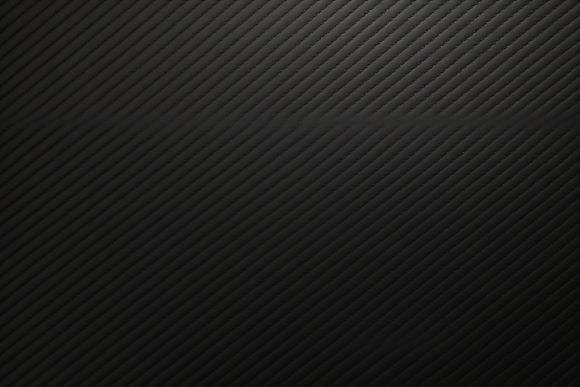
Carbon Fiber Texture: The Modern Edge in Design Assets
Understanding the Power of a Premium Texture
In the world of digital creative projects, the foundation of your design dictates the final impact. While many designers focus solely on typography and layout, the background element is often what anchors the entire composition. Carbon Fiber Texture is not just a pattern; it is a distinct visual language that communicates strength, modernity, and precision. Visually, this texture mimics the intricate weave of carbon-reinforced polymer, characterized by its signature crosshatch pattern that creates a sense of depth and three-dimensionality. It bridges the gap between industrial ruggedness and high-tech elegance, making it a versatile design asset for a wide range of applications.
The appeal of a Carbon Fiber Texture lies in its ability to add a tactile, premium feel to flat digital surfaces. Unlike standard paper texture background options that evoke warmth and tradition, carbon fiber suggests innovation and cutting-edge technology. The subtle interplay of light and shadow within the weave can add a sophisticated backdrop to social media graphics, website banners, and product packaging. When you utilize a high-resolution file, such as a 3000x2000 px JPG at 300 DPI, the weave remains crisp even when zoomed in, ensuring that your brand identity is never compromised by pixelation or blurring.
Strategic Applications for Branding and Marketing
Choosing the right background is a strategic decision that influences audience perception. The Carbon Fiber Texture is particularly effective for brands aiming to project an image of reliability and high performance. Think about branding materials for automotive companies, tech startups, fitness brands, or architectural firms. The texture reinforces a message of structural integrity. When used in logo design or mockups, it provides a neutral yet powerful stage that allows foreground elements—whether they are bold sans serif fonts or intricate serif fonts—to pop without visual clutter.
However, the utility of this texture extends far beyond industrial themes. In packaging design, a matte carbon fiber finish can elevate a product from a commodity to a luxury item. Imagine a high-end grooming kit or a tech accessory box featuring this texture; it immediately signals quality to the consumer. For presentation designers, utilizing a carbon fiber background can help maintain audience engagement by providing a sleek, non-distracting environment that keeps the focus on the data and storytelling. It is an excellent choice for print materials where a modern aesthetic is required, such as business cards for entrepreneurs or lookbooks for contemporary fashion brands.
Practical Integration and Design Considerations
Integrating a Carbon Fiber Texture into your workflow requires a thoughtful approach to color and typography. Because the texture is inherently detailed, it works best as a supporting actor rather than the main character. When selecting creative fonts to pair with this background, prioritize legibility. A clean, geometric modern typography style often pairs best, as it complements the structured nature of the weave. Avoid overly ornate script fonts or handwritten fonts for body text, as they can become difficult to read against the repeating pattern. Instead, use bold display fonts for headers and save the more decorative typefaces for isolated accents where the background might be blurred or masked.
Color contrast is another critical factor. The dark, often grey or black tones of carbon fiber provide a stunning contrast for bright, neon colors or metallic gradients. If you are creating social media graphics, using white text against a dark carbon fiber background ensures maximum readability and visual punch. For editorial design or invitations, consider using the texture in panels or sidebars rather than covering the entire page. This allows you to maintain the "paper" feel of traditional stationery while incorporating a modern, edgy element. The file details—specifically the RGB color mode—are optimized for digital screens, ensuring that the colors remain vibrant in web design and digital advertising.
Evaluating Quality and File Specifications
When sourcing design assets, technical specifications matter just as much as visual appeal. A premium font or texture is defined by its versatility and resolution. The specifications of a high-quality Carbon Fiber Texture file—such as the 3000x2000 pixel dimension and 300 DPI resolution—make it suitable for a variety of outputs. The 300 DPI resolution is crucial for any project that involves printing, from planners to home decor prints. It ensures that the texture looks sharp and professional, avoiding the "fuzzy" look associated with low-resolution web images.
Furthermore, the RGB color profile is the standard for digital display, ensuring color accuracy across monitors and mobile devices. While CMYK is typically used for professional printing, modern printing methods can often convert high-quality RGB files effectively, especially for large format printing like scrapbooking backgrounds or wall art. When downloading, ensure the file format (JPG) offers a high quality to compression ratio to preserve the subtle details of the weave. This texture is not just a static image; it is a tool for commercial fonts and assets that demands high fidelity to maintain its professional appearance.
Beyond the Digital Screen
While we often associate textures with web design and digital projects, the Carbon Fiber Texture has a significant place in physical product creation. For crafters and hobbyists, this texture can be printed onto vinyl or cardstock to create unique paper crafts, custom phone cases, or durable covers for stationery. The pattern is highly forgiving and does not show fingerprints or wear in the same way a solid color might, making it practical for items that are handled frequently.
In the realm of product packaging, the texture can be embossed or debossed onto materials to mimic the real feel of carbon fiber, adding a sensory dimension to the unboxing experience. For small business owners creating their own promotional materials, using this texture can help level the playing field against larger competitors, providing a look that is associated with high-end manufacturing and automotive excellence. It is a versatile asset that transcends the boundaries of a simple background size, becoming an integral part of the product's identity.
Final Thoughts on Versatility
The true value of a Carbon Fiber Texture lies in its ability to adapt. It can be the gritty backdrop for a music festival poster, the sleek surface for a corporate keynote, or the durable-looking cover for a digital planner. By understanding the visual weight and personality of this texture, you can make informed decisions that enhance your visual hierarchy and audience engagement. Whether you are a seasoned designer or a hobbyist exploring new creative avenues, incorporating this industrial-strength texture into your library provides a reliable solution for projects that require a touch of modern sophistication and structural credibility.